A Summer to Remember:
Finding Joy After an Autism Diagnosis
Finding Joy After an Autism Diagnosis
If your toddler was recently diagnosed with autism, this may not be the summer you imagined.
Instead of planning family outings and lazy afternoons by the pool, you may find yourself researching therapies, filling out paperwork, scheduling evaluations, and wondering what the future holds. It’s natural to feel overwhelmed. Many parents describe the weeks following a diagnosis as a whirlwind of information, emotions, and unanswered questions.
But before summer slips away, there’s something important to remember: your child is still the same child they were before the diagnosis.
They still laugh at silly games. They still light up when they see something they love. They still want to feel safe, connected, and understood. And summer offers countless opportunities to nurture those moments.
One of the greatest gifts you can give your toddler right now is not another therapy session or educational activity. It’s your attention, your presence, and your willingness to join them in their world.
Fortunately, summer makes that easy.
A bottle of bubbles can become an afternoon adventure. Many toddlers are fascinated by watching bubbles float through the air, chasing them across the yard, or waiting eagerly for the next burst. What looks like simple play is actually an opportunity for connection. As your child looks toward you for “more,” points, smiles, or reaches for the bubble wand, they are learning that communication has power.
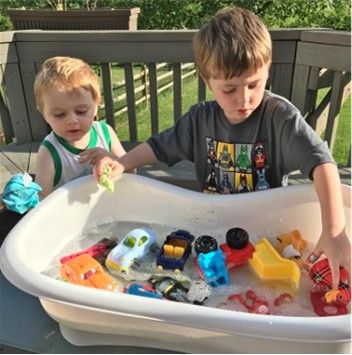
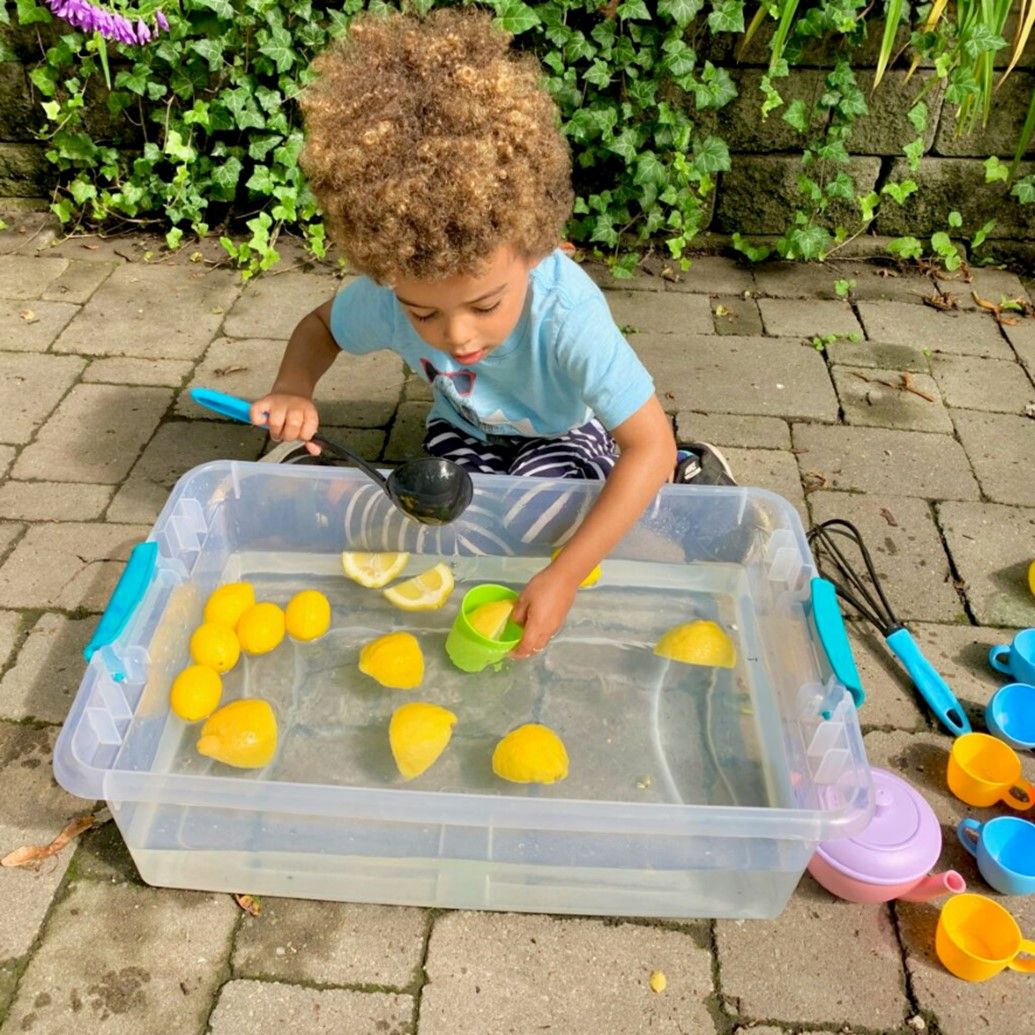
Water play offers similar opportunities. Whether it’s a splash pad, a kiddie pool, or a bucket filled with cups and toys, water naturally invites exploration. Some children enjoy the sensory experience of pouring and splashing, while others simply enjoy the predictability of watching water flow. Parents often discover that some of their most meaningful interactions happen during these relaxed moments, when expectations are low and everyone is having fun.
Summer is also the perfect season for slowing down and noticing the world together. A walk around the neighborhood can become an expedition filled with discoveries. Your toddler may stop to watch an ant crawl across the sidewalk or become completely captivated by a sprinkler spraying across a lawn. While adults are often tempted to keep moving, children remind us that wonder is found in small things.
The same is true for simple backyard activities. Sidewalk chalk, a small picnic, or a homemade obstacle course can create opportunities for laughter, movement, and shared experiences. These moments may not look like traditional learning, but they help build the foundation for communication, trust, and social connection.
Perhaps the most valuable lesson for parents of newly diagnosed toddlers is this: follow your child’s interests.
If they love water, spend extra time around water. If they are fascinated by rocks, become a rock collector together. If they enjoy watching spinning objects, sit beside them and share in that experience. Children are often most engaged and most available for interaction when they are doing something they genuinely enjoy.
There will be time for appointments, therapy goals, and progress reports. Those things matter. But this summer, don’t underestimate the value of simply enjoying your child.
Years from now, you may not remember every evaluation or every recommendation you received. You’ll remember the laughter over bubbles, the splash of cool water on a hot afternoon, and the joy of discovering the world through your child’s eyes.
An autism diagnosis marks the beginning of a new journey, but it doesn’t have to overshadow the season. This summer, give yourself permission to step away from the worry for a while. Put down the paperwork, head outside, and make memories.
The best moments of childhood are often the simplest ones.
At AbleKids ABA, we believe every child has the potential to thrive and every family deserves support that lasts a lifetime. Founded by educators and behavior specialists with deep roots in special education, our approach combines evidence-based ABA therapy with compassionate, family-centered care. We partner closely with parents, educators, speech and occupational therapists, and other professionals to help children build meaningful skills at home, in school, and throughout their community. Whether through early intervention, parent coaching, school collaboration, or in-home services, our mission is simple: to empower children, support families, and help build a foundation for lifelong success.